Understanding Different Types of Electric Motors

Electric motors are the backbone of many modern machines and devices. From adjustable desks to industrial equipment, these motors convert electrical energy into mechanical motion. Understanding the different types of electric motors is essential for manufacturers who want to select the right motor for their applications. In this post, I will walk you through the main types of motors, their features, and how to choose the best one for your needs.
Types of Motors Explained: Key Categories and Their Uses
Electric motors come in various designs, each suited for specific tasks. The two broad categories are AC (Alternating Current) motors and DC (Direct Current) motors. Within these categories, there are several subtypes, each with unique characteristics.
AC Motors
AC motors are widely used in industrial applications because they are robust and efficient. They run on alternating current, which is the standard power supply in most facilities.
Synchronous Motors: These motors rotate at a constant speed synchronized with the frequency of the AC power supply. They are ideal for applications requiring precise speed control, such as conveyor belts or robotics.
Induction Motors: Also known as asynchronous motors, these are the most common type of AC motors. They are simple, reliable, and cost-effective. Induction motors are often used in fans, pumps, and adjustable desks.
DC Motors
DC motors operate on direct current and offer excellent speed control and torque characteristics. They are often used in applications where variable speed is necessary.
Brushed DC Motors: These motors use brushes to transfer current to the rotor. They are easy to control but require regular maintenance due to brush wear.
Brushless DC Motors (BLDC): These motors eliminate brushes, reducing maintenance and increasing efficiency. They are popular in modern furniture and industrial automation.
Specialized Motors
Some applications require motors with specific features:
Stepper Motors: These motors move in precise steps, making them perfect for positioning tasks in CNC machines or adjustable desks.
Servo Motors: Combining a motor with a feedback sensor, servo motors provide precise control of angular position, speed, and acceleration. They are common in robotics and automated manufacturing.

An industrial AC induction motor, commonly used in manufacturing and adjustable furniture.
Is an AC or DC Motor Better?
Choosing between AC and DC motors depends on your specific application requirements. Both have advantages and limitations.
Advantages of AC Motors
Durability: AC motors, especially induction types, are rugged and require less maintenance.
Cost-Effective: They are generally cheaper to manufacture and maintain.
Simple Design: Fewer components mean fewer points of failure.
Advantages of DC Motors
Speed Control: DC motors offer better speed regulation, which is crucial for adjustable desks and precision machinery.
High Starting Torque: They provide strong torque at startup, useful for heavy loads.
Compact Size: Brushless DC motors are smaller and more efficient.
When to Choose Which?
For heavy-duty, continuous operation like industrial conveyors or pumps, AC motors are often the best choice.
For applications requiring precise speed and position control, such as modern furniture with adjustable features, DC motors, especially brushless types, are preferable.

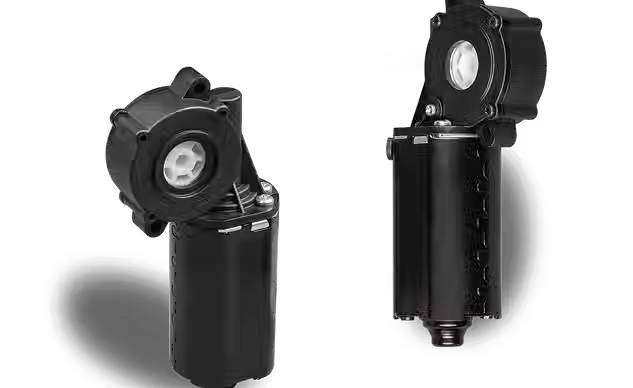
Brushless DC motor designed for adjustable furniture and precision control.
How to Select the Right Motor for Your Application
Selecting the right motor involves considering several factors:
Load Requirements: Understand the torque and speed your application demands.
Power Supply: Check if your facility uses AC or DC power.
Control Needs: Determine if you need variable speed or precise positioning.
Size and Weight Constraints: Some applications require compact motors.
Maintenance: Consider how often you can perform maintenance.
Cost: Balance initial cost with long-term efficiency and durability.
For example, if you manufacture adjustable desks, a brushless DC motor might be ideal due to its quiet operation, compact size, and precise control. On the other hand, for industrial machinery running continuously, an AC induction motor could be more cost-effective and reliable.
Practical Tips for Integrating Electric Motors
When integrating motors into your products, keep these tips in mind:
Match Motor Specs to Application: Avoid oversizing or undersizing motors to save energy and reduce wear.
Use Quality Controllers: Proper motor controllers enhance performance and extend motor life.
Plan for Heat Dissipation: Motors generate heat; ensure adequate ventilation or cooling.
Test Under Real Conditions: Simulate actual operating conditions to verify motor performance.
Consider Noise Levels: For furniture applications, quieter motors improve user experience.
By following these guidelines, you can ensure your products perform reliably and efficiently.
Why Understanding Electric Motors Types Matters
Understanding the electric motors types available helps you make informed decisions that impact product quality and customer satisfaction. Choosing the right motor can improve energy efficiency, reduce maintenance costs, and enhance the overall user experience.
MEIMOVE is committed to providing high-performance electric motors tailored for modern furniture and industrial applications. Their expertise and product range support manufacturers in delivering innovative, reliable solutions worldwide.
By grasping the differences between motor types and their applications, you can optimize your manufacturing processes and product designs. Whether you need precise control, durability, or cost efficiency, the right motor is out there waiting to power your next project.


Comments